
Top 5 Reasons You Should Train Your Glutes to Be Stronger
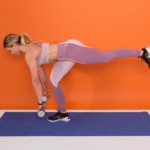
The shape of your buttock is usually linked with beauty standards. Most people even call it Kardashian booty, but they forget how important it is to train your glutes. Within your back muscles, you will have to work on the Maximus, Medius, and Minimus.
All these three muscles collectively make glutes. These muscles are one of the largest and strongest muscles within your whole body. That is where you hold weight and where you balance your body. If your glutes muscles are uneven or not very well-trained, you will see the impact in your posture.
You will not be able to stand properly and this will also have an impact on your exercise routine and your body balance.
When you walk or stand, it is not just your leg muscles at work. It is also your glutes that are mainly connected to the hamstring. Even when you move your leg, extend it or rotate it, you will see the impact on your whole body. There are so many benefits of having stronger glute muscles, it helps you reduce the chance of injury, improve your body posture, and a lot more.
With the help of this article, we will mainly highlight why you need to work on your glutes and how this will eventually impact your body in real life. We will also talk about the benefits that are linked with stronger glutes.
Are Glutes a Hard Muscle to Build?
Building glutes, also known as the muscles of the buttocks, can vary in difficulty from person to person based on genetics, training approach, and individual factors. Glutes are composed of three main muscles: the gluteus maximus, gluteus medius, and gluteus minimus. While some individuals may find it relatively easier to develop glutes, others might face more challenges. Here are some factors to consider:
- Genetic Predisposition: Genetics play a significant role in determining the shape and size of your glutes. Some people naturally have a higher potential for larger and more defined glutes due to their genetic makeup.
- Muscle Activation and Recruitment: For some individuals, effectively activating and engaging the glute muscles during exercises can be challenging. Proper technique and focused mind-muscle connection are important for optimal glute development.
- Training Consistency: Consistency in training is crucial for muscle growth. Building glutes requires regular strength training exercises that target the glute muscles, such as squats, deadlifts, lunges, hip thrusts, and glute bridges.
- Progressive Overload: Progressive overload involves gradually increasing the resistance, weight, or intensity of exercises over time. This principle is essential for muscle growth. If you’re not challenging your glutes with increasing resistance, growth may be slower.
- Nutrition and Recovery: Nutrition and recovery play a significant role in muscle development. Adequate protein intake, proper hydration, and sufficient rest are important for optimal muscle growth and recovery.
- Individual Variation: Everyone’s body responds differently to training stimuli. Some individuals might see rapid glute development with the right training approach, while others might experience slower progress.
- Gender Differences: In general, females tend to store more subcutaneous fat around the glutes due to hormonal differences. While this can contribute to a curvier appearance, it doesn’t necessarily mean building muscle is more challenging.
- Training Program: A well-structured training program that includes a variety of glute-targeted exercises and different rep ranges can optimize glute development. Compound movements like squats and deadlifts, along with isolation exercises, can help achieve well-rounded results.
- Patience and Persistence: Building glutes takes time and consistent effort. It’s important to stay patient and persistent, as muscle growth doesn’t happen overnight.
While glute development can be challenging for some individuals, with the right approach, dedication, and focus on proper technique, most people can achieve noticeable improvements in their glute muscles.
Reasons You Should Train Your Glutes to Be Stronger
Enhances Beauty
We all know that tight, round bottoms are linked with beauty, thanks to the Kardashian family. As slim-fit jeans are in fashion, everyone wants to keep their curves on display. Apart from the beauty they also help you to look good in your dress especially if you like to wear slim fit dresses.
This is a myth that only women need to have round booty, men are also appreciated when they have a well-balanced body structure. Most men only focus on upper body strength, so this makes them look out of proportion.
With better glute shape, your body will be in proportion, and you will not lose the shape of your body.
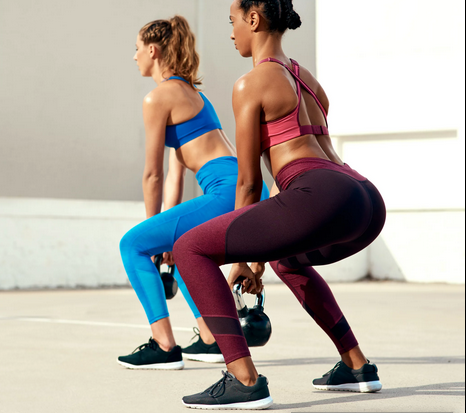
Improves Posture
One of the main issues behind muscles strain, chronic pains, and a bad picture is bad body posture. We have seen that people with bad posture look very bad in pictures. This is the reason models and fashion gurus have very good body posture.
Apart from this, bad body posture impacts confidence and looks as well. People who sit cross leg or have jobs that require them to sit at a fixed place for long hours end up with severe posture issues. With the help of glutes strengthening exercises, they will be able to improve their body posture and look much more confident.
Reduce Chance of Injury
Glutes are the place where your upper body and lower body find their balance. In case you do not have a good balance, this will affect your back, and eventually, it will cause injury.
People with joint pain especially, if there is a knee pain or spine issue it can be linked with the glutes muscles. If you work on strengthening your glutes muscle, you will eventually see improvement in your joint pain as well.
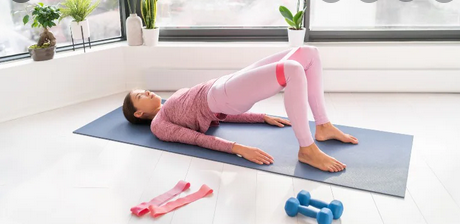
Improves Athletic Performance
If you are an athlete, or you are interested in combat games, glutes strength will play a major role. Apart from this if you are a marathon runner, a footballer, or a cricket, glute exercises will help you improve your body balance and stability.
Treat Back Pain
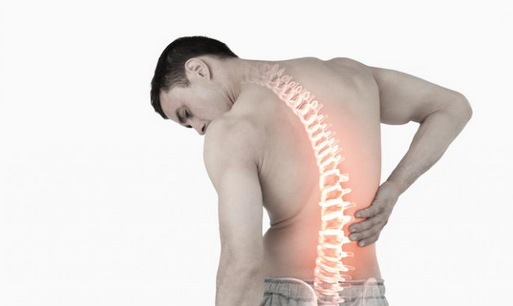
Back pain is getting very common. Previously, back pain was only linked with old age, but now we can see that young people are also complaining about back pain. This is mainly because tech-based jobs require you to sit for long hours in the same position.
To reduce the chance of back pain, it is important to work on the strength of your glutes muscles. Eventually, your posture will become better and your body will gain back the lost flexibility, and you will get rid of the back pain.
Bottom Line
To sum it all up, people usually link glutes with beauty only, but they forget it has so many other benefits as well. From maintaining good body balance to helping you improve your posture, there are different reasons you should train your glutes. You will see an impact in your daily life. Most of the athletes train their glutes for better performance because almost every game needs you to train your glutes.
All the workouts that help with glutes training are equally important for the body’s function.
Even if you walk, stand, or sit somewhere, your glutes are continuously at work. In case you feel any pain or your exercise is not bringing desired results, contact your doctor. Your posture is very critical for the exercise, which is the reason you need to be very careful while performing glutes strengthening exercises. In the case of bad posture, you will feel strain in your lower back, which indicates that you should contact the doctor right away.

Dietrich Grabbe
Fitness and Health ExpertDietrich Grabbe is widely recognized as Germany's foremost authority on fitness and health. Dietrich's profound knowledge spans exercise science, nutrition, and mental wellness, positioning him as a sought-after expert in the field.
You are so interesting! I don’t think I have read through anything like that before. So nice to discover someone with share original thoughts on the subject of training!