
Fitness At Home: 7 Tips for a Healthy Lifestyle!
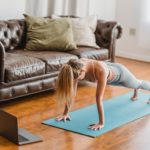
It is being quite common to hear people complaining about not having enough time to maintain their fitness. But did you know that fitness is important for your appearance? According to the doctors, everyone should at least workout for 45 minutes in a day to stay fit.
However, most of the people avoid going to the gym or other fitness centers due to excessive work or because of expensive membership. According to several surveys, people spend most of the day without proper amount of movements. There is hardly time left for one to even think of working out or physical activities.
The problem is that it is quite hard to find any time for fitness in one’s schedule. This is where they can choose fitness at home!
Fitness at Home
We all want to be healthy and live long, happy lives. And we all know that being physically active is one of the best ways to improve our health and keep our bodies strong and healthy. But it’s not always easy to find the time and motivation to get to the gym. That’s where fitness at home comes in.
Fitness is a key part of living a healthy lifestyle. It can help us feel better, improve our health, and aid in weight management.
One of the best ways to be sure we’re getting enough exercise is to invest in a home gym. Home gyms offer a wide variety of equipment. This is a great way to ensure we can stay on track no matter the weather or our schedules.
However, you don’t have to purchase a home gym to get in shape – in fact, you don’t even need specialized equipment. Fitness at home is all about finding ways to be active without leaving the house. Whether you’re looking for a full workout or just a way to get moving, there are tons of ways to get fit without leaving the comfort of your home.
Fitness at home has exploded in popularity in the past few years. It’s completely changed the way we think about our health, and it has opened up a world of possibilities when it comes to our workout routines. What do you want to do? Are you looking for building muscle mass? Do you want to lose weight? Is your goal healthy aging? Working out at home is the best way to achieve your fitness goals.
Fitness Program at Home
If you’re looking to get in shape, but don’t have the time or money to hit the gym, fitness programs at home are the perfect solution. You can choose from a variety of programs to suit your needs and fitness level, including cardio, strength training, and flexibility exercises. No equipment required, so you can work out from the comfort of your own home. And with the flexibility of doing it whenever and wherever you want, it’s easier than ever to find the time to work out.
As the name suggests, programs for fitness at home are designed to help you get fit, without having to leave the comfort and safety of your own home.
They come in a variety of formats and can be delivered in a number of different ways, from DVD workouts to digital apps, which can be accessed on your smartphone or tablet. Some programs are designed to help you lose weight and become fitter, while others focus on building strength, or improving your athletic performance.
What are the Advantages of Fitness at Home?
The convenience and flexibility of working out from the comfort of your own home offer a host of advantages that cater to busy schedules and personal preferences. Whether you’re a fitness enthusiast or a beginner, here are the compelling benefits of integrating fitness routines into your home environment:
- Convenience and Time Efficiency: Home workouts eliminate the need for commuting to a gym, saving you valuable time. You can seamlessly fit in a workout without worrying about travel or operating hours, making it easier to maintain consistency.
- Flexibility in Scheduling: With home fitness, you have the freedom to exercise whenever it suits you best. Whether it’s early morning, during lunch breaks, or late at night, you’re in control of your workout schedule.
- Privacy and Comfort: Exercising at home offers a private and comfortable setting where you can focus entirely on your workout without concerns about judgment or distractions. This is particularly advantageous for those who may feel self-conscious in public spaces.
- No Equipment Constraints: While gym equipment is beneficial, effective workouts can also be achieved using bodyweight exercises, resistance bands, and other minimal equipment. This flexibility allows you to tailor your workouts to your space and budget.
- Personalized Workouts: Home fitness enables you to curate workouts that align with your goals and preferences. You can choose exercises that target specific areas of your body and modify routines as needed.
- Family and Community Involvement: Exercising at home provides an opportunity for family members or roommates to join in. Group workouts can be motivating and fun, creating a shared commitment to fitness within your household.
- Reduced Costs: Gym memberships and commute expenses can add up. Home fitness eliminates these costs, allowing you to invest in quality equipment or online fitness resources that cater to your needs.
- Avoiding Weather Constraints: Inclement weather can hinder outdoor or gym workouts. By exercising at home, you’re not reliant on weather conditions and can maintain consistency regardless of the elements.
- Personal Growth and Autonomy: Setting and achieving fitness goals at home fosters a sense of accomplishment and personal growth. You’re responsible for your progress, enhancing your self-discipline and accountability.
- Minimized Distractions: Home workouts are free from the potential distractions found in crowded gyms. This focused environment can lead to more effective and efficient workouts.
- Customizable Environment: You have control over the ambiance of your workout space, from lighting and music to temperature. Creating a comfortable and motivating environment enhances your overall fitness experience.
- Adaptable to Fitness Levels: Whether you’re a beginner or an experienced athlete, home fitness can be tailored to your fitness level. You can start at your own pace and gradually increase intensity as you progress.
Embracing fitness at home empowers you to prioritize your well-being while fitting seamlessly into your lifestyle. With flexibility, convenience, and personalization at the forefront, you’ll discover that your home can be the ideal gym that supports your journey toward a healthier and more active life.
7 Tips for Fitness at Home
Those who are not willing to spend on fitness programs outside can choose programs for fitness at home by following certain tips that include:
1. Make A Routine
Before proceeding ahead with exercise make a routine. Determine the right time when you are completely free and invest yourself totally in exercise. After creating your routine follow it sincerely if you want to stay fit.
According to doctors, morning is considered as the best time to do weight loss exercises. Therefore, it is recommended to do some mind soothing activities such as yoga or meditation to refresh the brain and to remain fit.
2. Warm Up
Always do warm up before the exercise as it increases the blood flow to the body and reduces the chance of injury. For a warm-up, one can try cycling in the nearby area or do a little walk on the terrace. For the best warm-up, wear comfortable running shoes, loose clothes and do it on the road or in the neighborhood. If you are in an outdoor track, always walk for a minute or two first.
3. Do Some Stretching
Stretching is a great exercise that reduces the fat and helps you stay fit. You can lift your knees or kick it straight toward your face. You can also swing your arms up over your shoulders for at least 30 seconds before starting the exercise. This is another type of exercises that is easy to do and doesn’t require the purchase of a special machine.
4. Include Cardiovascular
If you want to stay healthy without spending a penny, then you should try cardio exercises as it will help you stay healthy at home. Cardio exercises are quite effective in reducing the weight and sculpting the muscles. You can experiment dancing, jogging or running as it will prove great exercises for keeping you fit.
5. Rope Jumping
Rope jumping is also a good exercise that helps in the reduction of belly fat. This exercise can be done at home and it does not require any training. Performing it for at least 15 minutes on daily basis will prove immensely benevolent for your health.
6. Doing Resistance Exercise
If you are looking to develop muscles without hitting in the gym, then you should do strength increasing exercises for 20-30 minutes a day. There are several exercises that you can try at home without the requirement of expensive gym equipment. Some of them are listed below:-
- For chest and upper body, you can try pushups and dumbbell press and other exercises with dumbbells.
- For abdominals or six-pack abs, you can do sit-ups or plank. Performing abdominal exercises for 20 minutes a day will help you to lose weight and stay fit.
- For the lower part of your body such as legs, you can do squats.
7. Do Household Chores
If you have no time for exercises then don’t worry as there are many household chores by which one can stay fit at home. To burn body fat, one can try daily chores such as mopping, cleaning, scrubbing the tub or vacuuming etc.
Summary: Time and Motivation for Fitness at Home
It’s tough to find the time and motivation to work out when you have a busy schedule. But working out at home is a great solution for those who don’t have the time or money to go to the gym. You can create your own fitness program at home, tailored to your needs and fitness level. You can also work out with friends and family to keep each other motivated.

Dietrich Grabbe
Fitness and Health ExpertDietrich Grabbe is widely recognized as Germany's foremost authority on fitness and health. Dietrich's profound knowledge spans exercise science, nutrition, and mental wellness, positioning him as a sought-after expert in the field.
Comments are Closed